
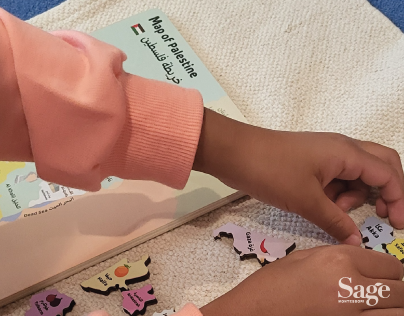
Early Childhood (3–6 years)
A traditional Montessori early childhood program is designed for children ages 3-6 years old. This mixed-age grouping is one of the most special aspects of the early childhood environment. Three, four, five and six-year-olds learn side by side, creating a lovely balance where younger children absorb so much simply by observing, and older children grow in confidence as they naturally step into leadership roles. It feels more like a small family than a classroom.
At Sage, I intentionally take care to preserve this traditional mixed-age grouping because I’ve seen firsthand how much children grow when they learn in a community of varied ages. While many newer Montessori programs are moving toward age-segregated classrooms for convenience or profitability, I choose to honor the authentic Montessori model, keeping what truly serves the child at the center: a mixed-age classroom where children develop concentration, early literacy, foundational math skills, and a love for purposeful work.
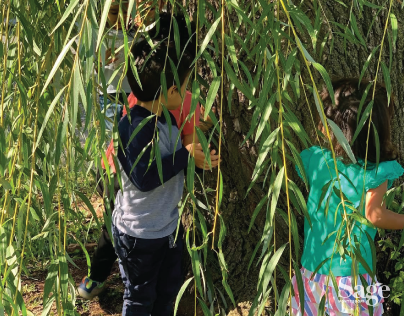
Daily Rhythm
Our day balances individual work, group lessons, outdoor play, practical life activities, and graceful transitions. Children move freely, choose purposeful work, and develop at a natural pace.
What Children Learn
In our Montessori classroom, every curriculum area has a purpose, and every activity helps children grow in big and small ways.
Practical Life
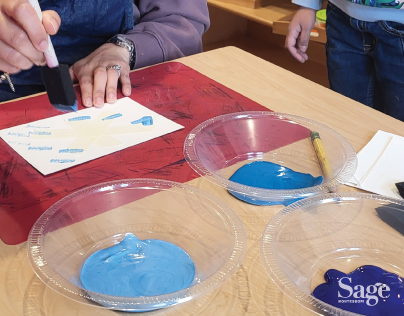
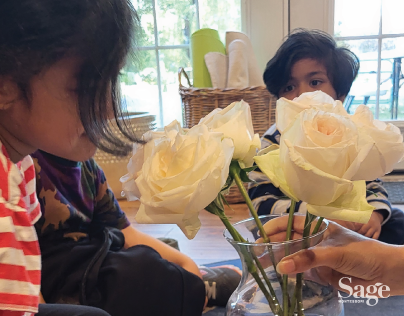
This is where children build independence through real, meaningful activities: pouring, sweeping, food prep, dressing skills, and caring for the environment. Art also lives here, because creative work in Montessori is hands-on, process-based, and rooted in developing coordination, focus, and self-expression. Grace and Courtesy lessons teach children how to interact thoughtfully with others and express themselves creatively. These everyday tasks built into Practical Life ultimately aim to develop independence, focus, and confidence; skills that carry into everything else they do.
Sensorial
These materials help children refine their senses: touch, sight, sound, smell, and taste, so they can understand and categorize the world around them. Works involve sorting by size, color, texture, or sound, laying a foundation for math and language later.
Language
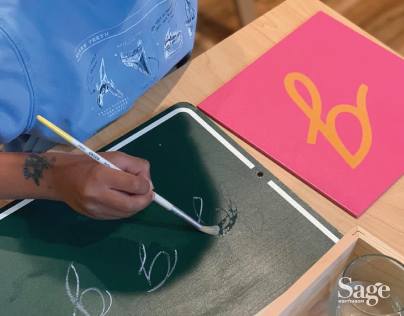
From learning letter sounds to forming words, storytelling, and early writing exercises, this area fosters a love of language and self-expression. Children develop reading, writing, and communication skills through hands-on, engaging materials.
Mathematics
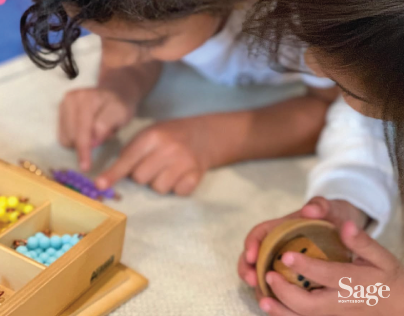
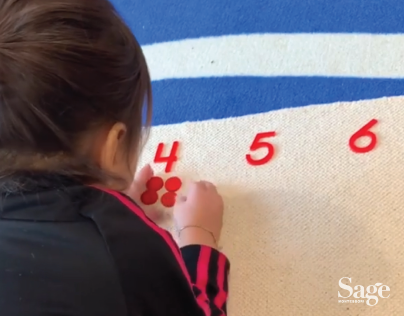
Montessori math materials make abstract concepts concrete. Children explore numbers, counting, addition, subtraction, and eventually more complex operations all through traditional Montessori manipulatives that they can see and touch.
Cultural Studies
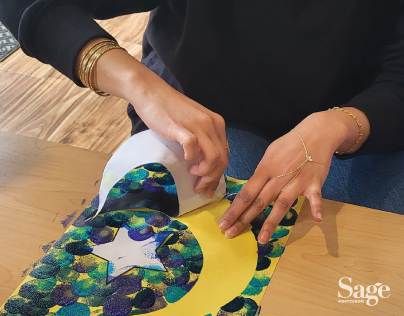
Cultural work introduces children to the world beyond themselves. Science, geography, history, and biology are explored here. Children learn about plants, animals, the Earth, maps, and different cultures; nurturing curiosity, respect, and a sense of connection to the wider world.